The World’s Thinnest Woman Says Young Fans Keep Begging to Look Like Her
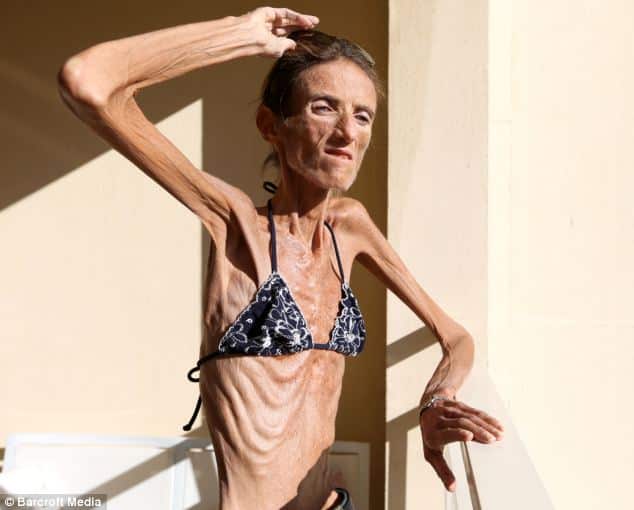
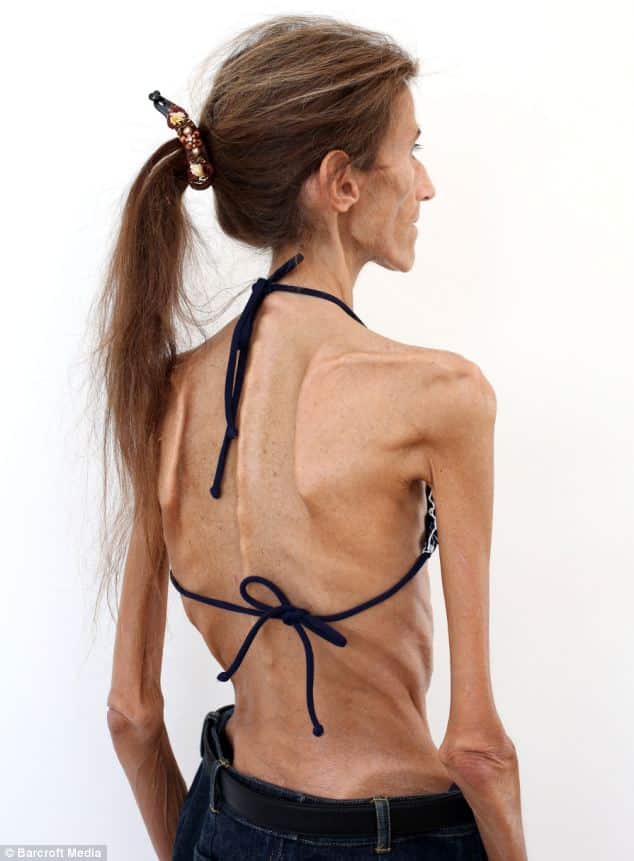
Valeria Levitin has become known around the world as the woman often described as the world’s thinnest woman. Her appearance has drawn global attention, yet the reality behind the headlines is far more heartbreaking than many people realize. Today, she weighs only four stone after spending years trapped in an exhausting cycle of extreme dieting and a devastating eating disorder that completely transformed her life.
Standing at 5 feet 8 inches tall, Valeria’s weight is far below what health experts consider safe. According to NHS guidelines, someone of her height would typically have a healthy weight between 9 and 12 stone. The difference illustrates the devastating impact that anorexia has had on her body over many years. Every photograph of Valeria tells a painful story, though she insists that people should never mistake her condition for something to admire.
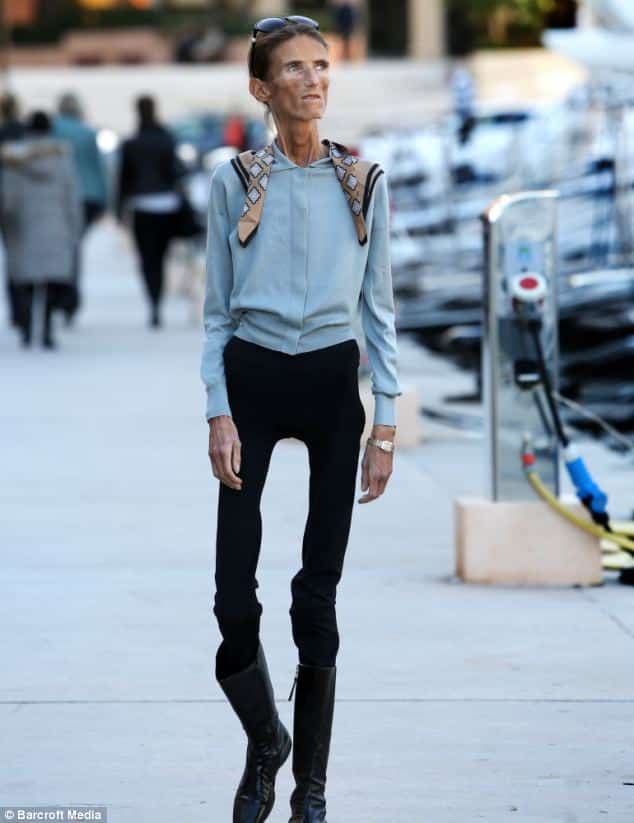
Instead of embracing the attention surrounding her appearance, Valeria has spent years warning others about the dangers of chasing impossible beauty standards. She repeatedly tells young women that her life is not one anyone should try to copy. Behind every image lies years of suffering, physical weakness, emotional pain, and countless sacrifices that no person should ever have to experience.
Originally from Russia and now living in Monaco, Valeria has discovered something deeply troubling since her story became public. Rather than receiving messages of concern, she began receiving letters from young women who viewed her skeletal appearance as something to aspire to. Those messages shocked her more than anything else because they revealed how dangerous society’s obsession with thinness had become.
Speaking openly about those experiences, the 39-year-old explained that many girls had contacted her hoping she would teach them how to become as thin as she is.
„I have received emails from young girls who want me to teach them how to be like me,” Valeria shared. „All the letters I’ve had are from women, mainly in their twenties, who see me as some kind of inspiration.”
Those words filled her with sadness rather than pride.
Valeria understood that remaining silent could encourage even more people to believe her appearance represented success or beauty. She made the difficult decision to publicly discuss the illness that had controlled her life for decades. Rather than hiding from the cameras, she began speaking honestly about anorexia and the irreversible damage it had caused.
She has never wanted sympathy.
Her purpose has always been to prevent someone else from making the same mistakes.
Whenever girls ask her for dieting advice, Valeria refuses every request. She believes offering such guidance would mean encouraging another person toward a path that destroys both body and mind. In her eyes, anorexia never delivers happiness, confidence, or perfection. It steals health, relationships, opportunities, and eventually hope itself.
Looking back, Valeria believes her struggle did not suddenly begin during her teenage years. The roots of the illness stretched much further into her childhood.
Her mother worried constantly that Valeria might eventually become overweight like several relatives in their family. That fear shaped many decisions throughout Valeria’s early life. Food became something that had to be controlled rather than enjoyed.
Meals were carefully monitored.
Portions were restricted.
Every change in weight attracted attention.
Instead of growing up with a healthy relationship with eating, Valeria learned to associate food with guilt and fear. Her mother’s relentless desire for perfection meant there was always pressure to remain slim. Even small weight changes became a source of concern, leaving little room for a carefree childhood.
As the years passed, those early lessons became deeply rooted habits.
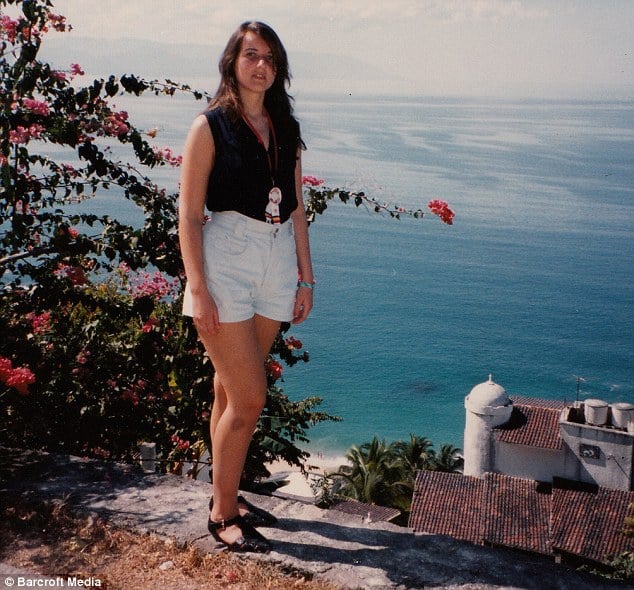
When Valeria reached the age of sixteen, she weighed around 10 stone and moved to Chicago with her parents. Starting over in a completely different country felt overwhelming. Everything around her was unfamiliar, including the language, culture, classmates, and expectations.
Like many teenagers entering a new school, she desperately wanted to fit in.
She convinced herself that becoming thinner would help her gain acceptance and popularity among her classmates. That belief pushed her into even stricter dieting habits.
She removed sugar from her meals.
Carbohydrates disappeared from her diet.
Food became something to avoid instead of something that nourished her.
Every pound she lost seemed like another step toward the acceptance she hoped to find.
Over time, her eating habits became increasingly restrictive.
The situation reached an unexpected point where her body began rejecting many of the foods she had avoided for years. After spending so much time eliminating entire food groups, she eventually became intolerant to them. Foods that most people eat every day became difficult, and sometimes impossible, for her body to process.
Her physical condition continued deteriorating.
Then another painful moment left a permanent mark on her confidence.
During a football game at school, one comment from another student completely shattered her self-esteem.
Recalling the memory years later, Valeria explained exactly what happened.
„We were playing football, and during the game a man said, ‘I know how we can win. We need to put Valeria’s big ar*e in the goal.’ It shattered my whole world.”
Those few words echoed in her mind long after the game ended.
Although many people experience teasing during adolescence, that single remark reinforced every insecurity she already carried. From that point forward, her determination to lose even more weight intensified.
Instead of recognizing her healthy figure, she saw flaws everywhere she looked.
The mirror became an enemy.
No matter how much weight disappeared, satisfaction never arrived.
By the age of twenty-three, the changes were dramatic.
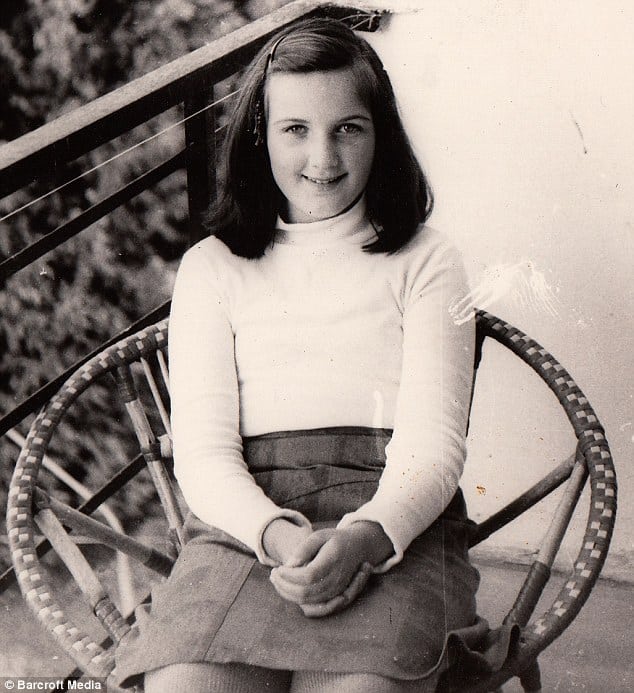
Her clothing size had fallen from a healthy size 12 to a tiny size 6.
Friends and strangers noticed the transformation, yet the illness convinced Valeria that she still needed to become thinner.
Eventually, she pursued a modeling career.
Rather than improving her confidence, the fashion industry deepened many of her insecurities. She encountered people who continued telling her she remained too heavy to become successful as a model.
Those comments reinforced the dangerous thoughts already dominating her mind.
She believed every criticism meant she needed another diet.
Another restriction.
Another sacrifice.
By the age of twenty-four, Valeria’s weight had dropped to only six stone.
Her body had become so fragile that doctors prohibited her from dancing because even ordinary movements carried a significant risk of injury. Activities that once brought joy suddenly became dangerous.
Bones weakened.
Muscles disappeared.
Energy vanished.
Simple daily tasks became increasingly difficult.
Throughout the following decade, Valeria searched desperately for answers.
She consulted more than thirty different health specialists in hopes of finding someone capable of reversing the damage caused by years of anorexia.
Her health continued fluctuating, eventually reaching one of its lowest points.
At her weakest, she weighed only 3 stone 10 pounds.
Every additional pound became incredibly difficult to gain.
Her body had been deprived for so many years that normal eating no longer functioned as it once had.
One of the cruelest consequences of her illness is that many foods she wishes she could enjoy are no longer suitable for her body. Years of avoiding them changed the way her digestive system responded.
Bread serves as one of the clearest examples.
She has gone without eating bread for such a long period that she can no longer remember how it tastes.
Many people take ordinary meals for granted.
For Valeria, ordinary food became something almost impossible to experience.
The emotional impact of anorexia has been every bit as devastating as the physical consequences.
The illness gradually isolated her from the people around her.
Social gatherings frequently revolve around meals, celebrations, restaurants, birthdays, or holidays.
Those situations became increasingly difficult for her.
Dating also became complicated.
For ten years, Valeria remained unattached, explaining that relationships often involve activities she simply cannot participate in comfortably.
Sharing dinner together, visiting restaurants, enjoying spontaneous meals, or celebrating special occasions around food all became significant challenges.
Her illness built invisible barriers between herself and other people.
Loneliness slowly became part of everyday life.
Although she has met with numerous specialists over the years, Valeria believes that finding the right medical intervention remains essential if she hopes to recover. She continues searching for effective treatment, acknowledging that meaningful weight gain has remained extremely difficult despite her efforts.
Protecting her fragile body has become part of her daily routine.
She now depends on nutritional supplements to reduce the likelihood of bruising.
She also avoids situations where she could easily fall because even relatively minor accidents could result in serious injuries.
Every movement requires greater caution than most people ever have to consider.
Despite everything she has endured, Valeria continues looking toward the future.
She has spoken about possibly returning to Moscow, where she feels a stronger connection to her roots and believes she understands herself better. The move represents more than a change of location. For Valeria, it symbolizes another opportunity to rebuild her life.
One dream has remained with her throughout every stage of her struggle.
She wants to become a mother.
Because of her current health, she believes surrogacy would provide the safest path toward creating the family she has always imagined.
That dream gives her motivation to continue fighting her illness.
She hopes that working toward motherhood will inspire her recovery and help her reclaim the health anorexia has taken away.
Valeria believes reaching a healthier weight is possible if she continues pursuing that goal with determination and proper medical support.
Her greatest wish extends far beyond overcoming an eating disorder.
She wants the chance to love, care for, and raise a child.
Reflecting on that dream, Valeria shared words that reveal both her hope and her determination.
„I would love to have a family because I feel I have so much to give. But obviously, it wouldn’t be right to have a baby when I am ill. It wouldn’t be fair to the child. I want to stand up to anorexia. I’ve never given up on anything in my life and I’m not about to give up now.”
Her story serves as a powerful reminder that eating disorders are not about vanity or appearance alone. They are complex illnesses capable of affecting every part of a person’s life, including physical health, emotional wellbeing, relationships, confidence, dreams, and the future they once imagined.
Valeria Levitin continues sharing her experiences because she hopes others will recognize the warning signs before the illness takes control. Every interview, every conversation, and every public appearance carries the same message: no number on a scale is worth sacrificing your health, your happiness, or your future.
Through honesty and courage, she continues encouraging young women to choose health over unrealistic ideals, hoping her painful journey will prevent someone else from following the same devastating path.