Teacher Removes Classroom Nap Photo Moments After Sharing—One Parent Had Already Saved the Image
A simple classroom photo sparked a debate over children’s online privacy.
What began as an ordinary classroom update developed into a meaningful discussion of children’s digital privacy. A teacher shared a photograph of children sleeping during nap time in a preschool classroom. The intention centered on offering parents a sense of reassurance that the day was proceeding smoothly. Within a few seconds of the post appearing the teacher removed the image. One parent had already captured a screenshot. The captured image then circulated among other families and became the focus of conversation.
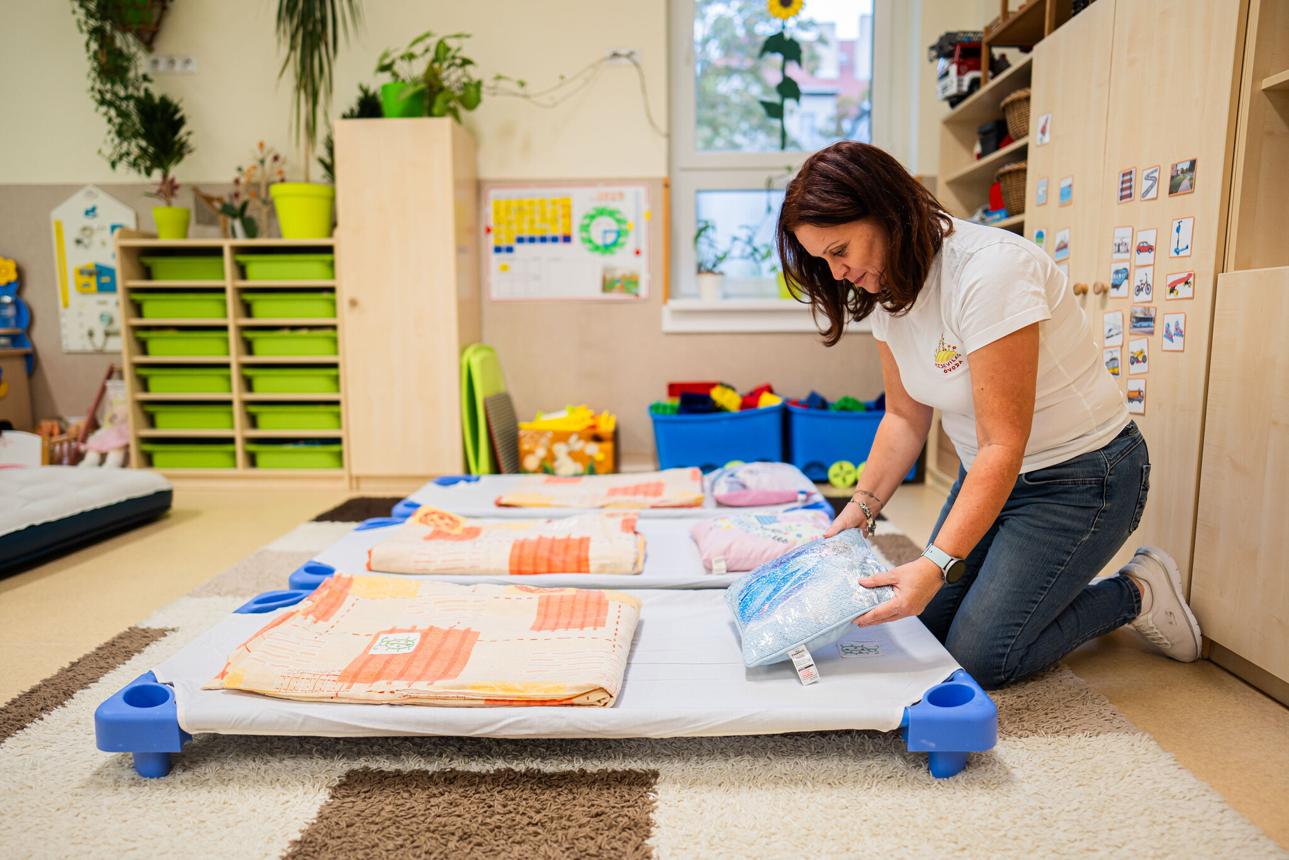
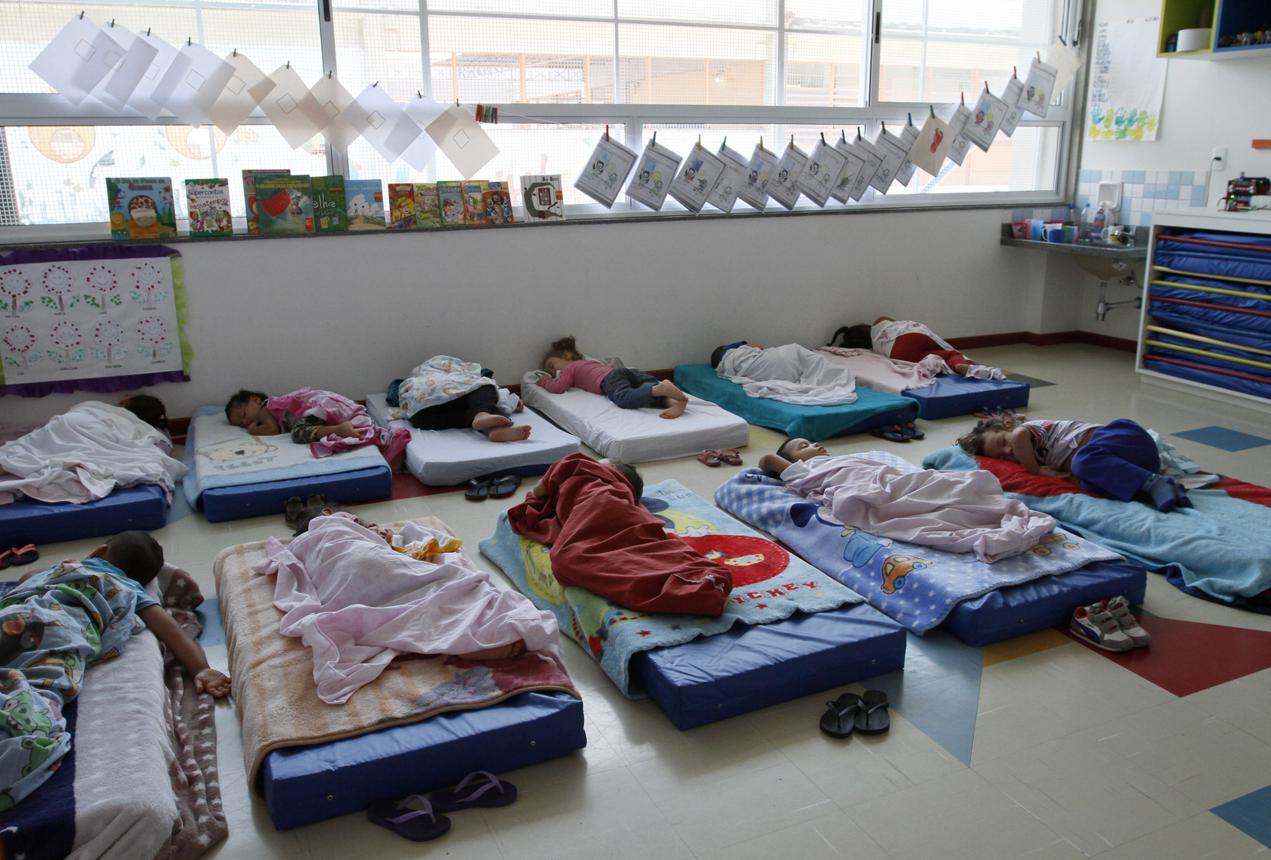
Accounts of this kind appear regularly across social media platforms. They draw attention to a practical challenge facing schools in the present day. Schools work to maintain open communication with families while simultaneously safeguarding the privacy of every child. Modern technology enables photographs to travel from one device to another in an instant. Once an image has been viewed or saved the removal of the original post leaves open the possibility that copies remain in circulation.
Many schools share classroom activities on a regular basis. The goal of these shares is to help parents remain connected to the daily experiences of their children. Images of art projects outdoor play celebrations and learning activities can strengthen the relationship between families and educators. Photographs that clearly identify individual children call for thoughtful planning especially when the images appear in online spaces.
Privacy specialists emphasize that young children lack the capacity to provide meaningful consent for the publication of their images. Schools therefore request that parents complete media consent forms before any photographs are taken or distributed. Even after permission has been recorded teachers receive guidance to avoid posting scenes that display sensitive situations personal details or moments in which children appear particularly vulnerable including the quiet period of sleep.
Nap time forms a regular part of the preschool schedule. Certain parents view these intervals as private experiences that belong within the classroom walls. Additional concerns arise around the possibility that images may be copied altered or distributed beyond the original group of recipients. Private social media groups themselves carry limitations in security because a screenshot can be created within moments and then passed along without further approval.
Educators receive a clear reminder from situations of this nature. The act of deleting a post does not guarantee the complete disappearance of its digital presence. Content shared online carries the ongoing chance that a viewer has already saved or captured the material. Education professionals therefore encourage careful reflection prior to posting rather than dependence on later removal.
Schools lower these risks through the adoption of clear communication policies. Many institutions now rely on secure parent communication platforms that restrict access to verified family members. Within those platforms teachers continue to follow established school guidelines concerning photography and confirm that appropriate parental consent is in place for every image.
Parents carry corresponding responsibilities when they receive classroom photographs. Images provided by schools are intended for private family viewing. Respect for the privacy of other children involves refraining from reposting or forwarding those photographs without explicit permission from both the school and the families of the children shown.
An additional practical method involves directing the camera toward classroom activities rather than individual faces. Photographs that display artwork learning materials or hands engaged in creative projects convey the events of the day while reducing privacy concerns. When children’s faces do appear in a frame schools may apply blurring to identifying features or select angles that make personal recognition more difficult.
Technology continues to advance and digital privacy occupies a growing place within early childhood education. Families look for consistent updates on classroom life. At the same time families expect schools to protect the personal information of every child. Written consent policies staff training sessions and responsible technology practices work together to sustain the necessary trust.
The account centers on the understanding that every image placed online carries accompanying responsibilities. A short period of consideration focused on privacy the presence of consent and adherence to school guidelines helps prevent misunderstandings. That same care preserves the confidence that exists between teachers and families.
In a connected environment the protection of children’s privacy depends on cooperation among all participants. Teachers school administrators and parents each contribute to the effort. Their combined actions ensure that memorable classroom moments remain both meaningful and respectful. Families stay informed while the right of every child to privacy receives consistent attention.
Schools that establish routine review of media practices create a stable foundation for communication. Regular staff meetings can include discussion of recent examples and clarification of preferred platforms. Parents receive updated information about consent options at the beginning of each school year and whenever policies change. The resulting shared understanding supports smooth daily exchanges of classroom news.
Secure digital platforms designed for school-to-home communication limit visibility to registered users. Teachers upload photographs within those controlled environments and parents access the material through individual login credentials. The closed nature of the system reduces the opportunity for unintended wider distribution. Even inside such platforms the principle of minimizing identifiable images continues to apply.
When a photograph does include children’s faces the choice of composition can further protect privacy. Group scenes taken from a distance or focused on shared activities keep attention on the learning experience. Cropping or selective framing removes unnecessary detail. These techniques allow the positive aspects of classroom life to reach families while limiting exposure of personal likenesses.
Consent forms remain a central document in the process. Parents indicate preferences regarding the use of their child’s image for internal newsletters classroom displays and digital updates. Schools store the completed forms in an accessible location so that teachers can verify permission before capturing or sharing any photograph. Periodic reminders ensure that the recorded preferences stay current as family circumstances evolve.
Staff training sessions equip educators with practical strategies for responsible photography. Topics include recognition of moments best left undocumented selection of secure sharing tools and procedures for responding when an image is posted in error. Ongoing professional development keeps these practices aligned with current technology and privacy expectations.
Parents who receive classroom images contribute to the protective circle by treating the material as private. Conversation within the family about the contents of a photograph remains appropriate. Forwarding the same image to extended relatives or public accounts requires prior confirmation that every family represented has given approval. This mutual respect maintains the intended audience for each shared moment.
Alternative forms of classroom communication complement photographic updates. Written descriptions of activities brief audio messages or short video clips focused on materials rather than faces provide parents with insight into the day. These formats expand the range of options available to teachers who wish to keep families informed.
The rapid pace of digital sharing places a premium on foresight. A photograph that appears suitable in the moment may carry unforeseen implications once it leaves the original device. Taking a brief pause to confirm consent review school policy and consider the potential path of the image supports thoughtful decision making.
Children’s right to privacy forms part of their broader well-being. Early experiences with digital images shape the way young people later understand personal boundaries and consent. Schools that model careful handling of photographs contribute to the long-term development of that understanding.
Collaboration among all parties sustains an environment in which classroom moments can be celebrated safely. Teachers capture the energy of learning. Administrators maintain clear guidelines. Parents honor the private nature of the images they receive. Together these roles create a system that values both connection and protection.
The discussion that followed the preschool photograph illustrates the value of established procedures. Clear policies reduce uncertainty. Secure platforms limit unintended exposure. Consistent attention to consent keeps every action aligned with family expectations. The result is a communication practice that serves the needs of parents while upholding the privacy of every child in the classroom.