70-Year-Old Woman Who Used Her Deceased Son’s Sperm to Welcome His Child Through Surrogacy Shares Life Update After the Birth
Spanish Actress Defends Her Decision to Have a Baby with Her Deceased Son’s Sperm
A few years ago, Spanish actress Ana Obregón made headlines for a decision that sparked widespread debate — she chose to use her late son’s sperm to have a child through surrogacy.
Ana Obregón, who was devastated by the death of her son Aless Lequio from cancer in 2020, hoped to honor his “last wish.”
According to Ana, her son had wanted her to have a child after his passing.
The actress, heartbroken and determined, pursued this path and, in 2023, welcomed a baby girl through surrogacy using Aless’ sperm.
Ana later clarified the situation in an interview, revealing that the child, named Anita, was actually her granddaughter, not her daughter.

“This girl is not my daughter; she is my granddaughter,” Ana explained in an interview with ¡Hola! in April 2023.
“She is Aless’ daughter, and when she grows up, I will tell her that her dad was a hero, so she knows who he was and how proud she should be of him.”
In a more recent interview with Spanish TV, Ana shared how her life had changed since Anita’s birth, describing the joy she feels as she cares for her granddaughter.
“My home is full of stuffed animals and toys,” she said, adding that Anita even has a ball pool where she enjoys playing with her.
“She makes me dive in,” Ana laughed, showing the lighter side of her life with Anita.
Ana, who is 70 years old, also admitted that as the child grows, some of the physical demands of childcare are becoming harder to bear.
“Picking her up is getting more difficult,” she said, as the child’s increasing size and weight were starting to strain her back.
Ana also spoke emotionally about the shock of learning about her son’s cancer diagnosis.
“We live our whole lives thinking we’re invincible, that nothing can happen to us,” she reflected.
“Then, suddenly, at 25 years old, you’re told you have an aggressive cancer. It’s a huge wake-up call — it’s not what they told you when you were young.”
She continued to say that the pain of losing Aless made her even more protective of her granddaughter.
“Now, I have many more fears, especially with Anita. My fears now are greater than when I had Aless,” she confessed.
The announcement of Anita’s birth by surrogacy was met with surprise and controversy in Spain, where surrogacy is illegal.
Adoption of foreign-born children is permitted, and surrogacy itself is not.
Anita was born in the United States via surrogate, and after her birth, Ana legally adopted her, which made her the child’s legal guardian.
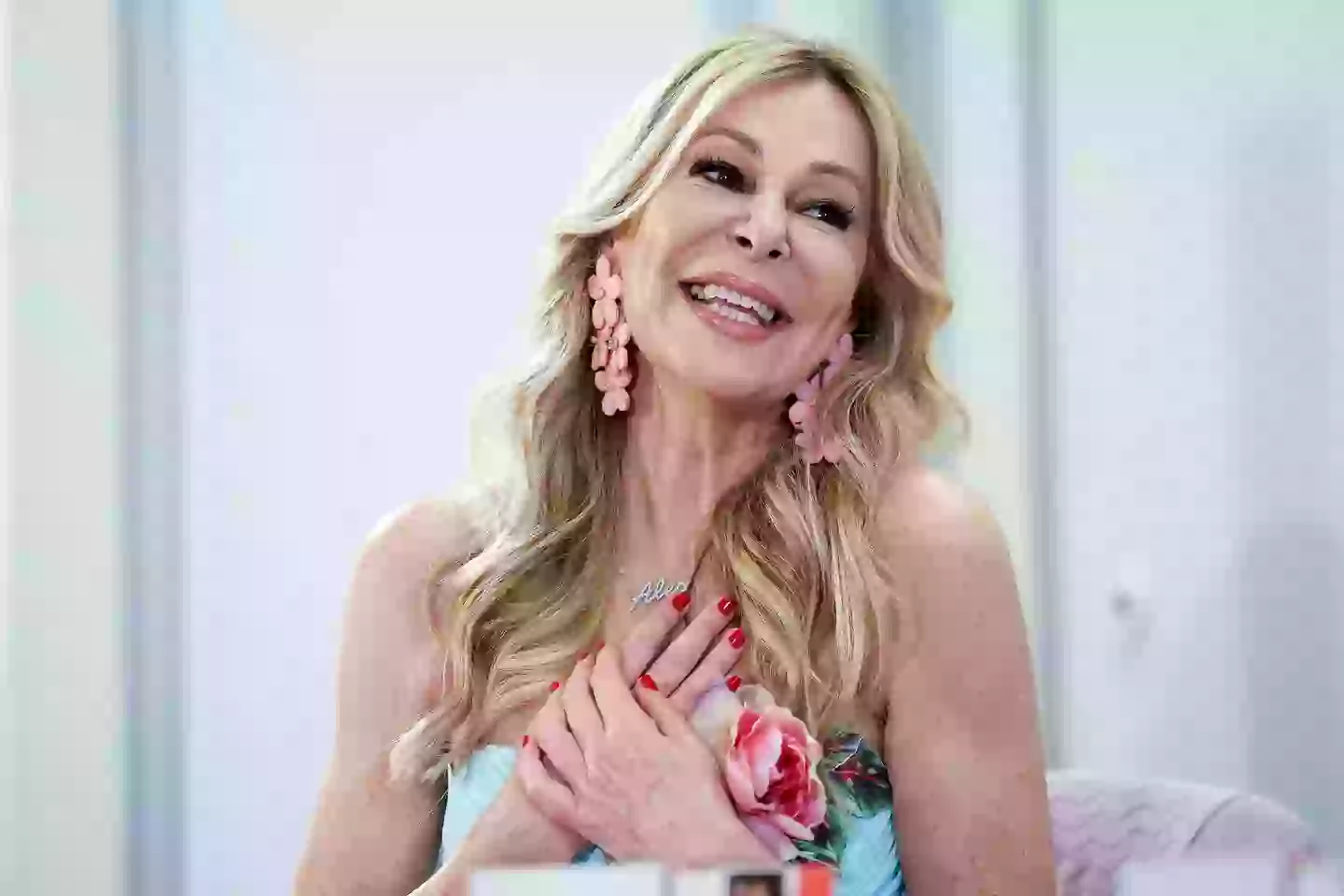
Reflecting on the emotional toll of losing Aless, Ana has been open about how his death affected her deeply.
She said she felt as though she had “died for three years” after losing her son.
“Anita’s arrival resurrected me,” Ana admitted, speaking of how the baby gave her a new sense of purpose and joy.
In an interview marking Anita’s second birthday in March 2024, Ana shared how bittersweet her new life is.
“I know I’ll never feel the happiness I had when Aless was with me again,” she said.
“That pain will never go away. You don’t ever truly get over the death of a child, and you don’t accept it. You eventually come to terms with the fact that you’ll never be able to accept their departure.”
Ana also acknowledged that Anita has helped fill the emptiness left by Aless.
“Anita now fills my days,” she said.
“I was dead for three years from Aless’ death until Anita was born. Life, once again, feels like a breath of fresh air.”
The decision to pursue this path followed years of profound grief after Aless’s passing from an aggressive form of cancer at a young age.
Ana has described the period after his death as one of deep emotional withdrawal and emptiness.
The arrival of Anita introduced new daily routines centered around care, play, and presence.
Toys, soft furnishings, and play spaces now occupy the rooms of her home.
Moments of laughter occur during shared activities such as time spent in the ball pool.
These interactions provide structure and warmth to her days.
Physical tasks related to lifting and carrying have grown more demanding as Anita continues to develop and gain strength.
Ana has spoken openly about the practical adjustments required by these changes.
Her reflections on the original cancer diagnosis convey the sudden shift from a sense of security to confrontation with serious illness.
She has described the experience as a profound disruption of earlier assumptions about invulnerability.
This awareness has heightened her protective instincts toward Anita.
The legal process involved birth in the United States followed by formal adoption under Spanish law governing foreign-born children.
This sequence established Ana as the child’s legal guardian.
Public discussion surrounding the birth reflected the existing legal framework in Spain regarding surrogacy arrangements.
Ana has continued to address questions about the child’s parentage with consistent clarity.
She emphasizes Anita’s connection to Aless and her intention to share stories of his character and courage as the girl grows older.
The presence of Anita has restored a sense of forward movement after an extended period of mourning.
Ana has characterized the years between her son’s death and the child’s arrival as a time of emotional stillness.
Daily life now includes the rhythms of early childhood — meals, play, rest, and companionship.
These elements have brought renewed energy and focus.
At the same time, the memory of Aless remains a constant presence in her thoughts and conversations.
She has stated that the particular happiness associated with raising him cannot be repeated.
The process of living with that permanent absence continues alongside the new responsibilities and affections of caring for Anita.
Ana’s accounts portray a household shaped by both remembrance and active nurturing.
Her willingness to speak about physical strain, heightened fears, and enduring sorrow offers a detailed picture of her current circumstances.
The combination of public attention, personal loss, and the practical realities of raising a young child forms the ongoing context of her life.
Through interviews she has maintained a clear narrative about the origins of the decision and the identity of the child.
Anita’s place in the family is presented as a continuation of Aless’s wished-for legacy.
The home environment reflects the everyday needs of a toddler, filled with objects designed for play and comfort.
Ana’s descriptions of shared laughter and physical interaction illustrate the tangible ways in which the child occupies her attention and affection.
The passage of time since the birth has brought both increased joy and new physical considerations.
Her statements convey a life reoriented around the care of her granddaughter while remaining deeply marked by the earlier loss.