Remembering Mayra Rosales and Her Journey with Extreme Obesity
The world has said goodbye to Mayra Rosales. She was a woman whose life story moved millions. Her story shone a light on the human side of extreme obesity. She was known for once weighing close to 500 kilograms. She faced challenges few of us can imagine. Her journey included moments of deep hardship. Her journey included immense courage. Her journey included a determination to protect her family. She has now passed away at the age of 43. Her story remains a powerful reminder of resilience. Her story remains a powerful reminder of compassion. Her story remains a powerful reminder of the complex realities of health.
Remembering a life larger than the headlines
For a long time, Mayra’s daily life revolved around food that was easy to reach. The food was quick to eat. Sweets became steady companions. Fast food became steady companions. These habits gradually grew into something far more serious. Encouraged by her husband’s routines and choices, these patterns took root. The patterns became difficult to break. With time, the extra weight stole more and more from her day. First it affected comfort. Then it affected energy. Finally it affected her mobility. She became bedridden. She was cut off from the parts of ordinary life many of us take for granted.
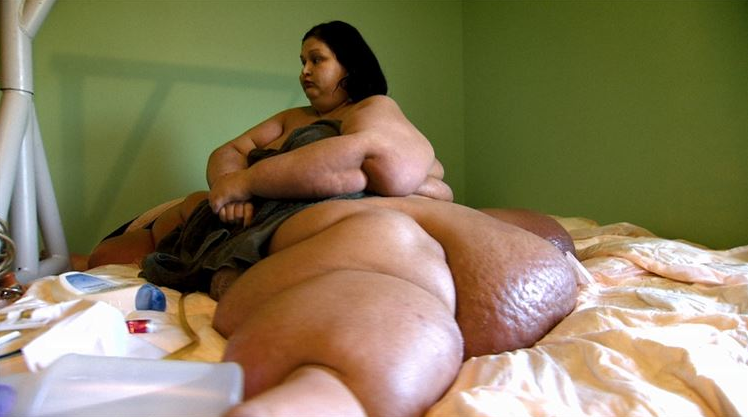
Numbers do not show the whole picture. Behind the figure of nearly 500 kilograms was a woman with the same desires any of us might have. She desired to be useful. She desired to be loved. She desired to be near her family. She desired to do the right thing. Her challenges formed a complex web of physical factors. The web included emotional factors. The web included social factors. These factors shaped how each day unfolded.
The turning point she could never forget
One day brought a crisis that changed Mayra’s life forever. She witnessed violence within her own family. Her sister attacked her child. Mayra wanted to intervene. She wanted to do what any caring adult would try to do. By then her body would not let her stand. Her body would not let her move quickly enough. That inability weighed on her more heavily than any number on a scale ever could. The situation ended in tragedy. The child later died. The mother was sent to prison. It was a heartbreak that could not be undone. It was a memory that stayed with her. It influenced every decision that followed.
In the aftermath, Mayra was faced with a choice that would define the rest of her life. There were children left behind who needed love. They needed stability. They needed protection. Determined to be there for her nephews, she looked in the mirror. She decided she would fight for the ability to care for them. The path would be difficult. The path would be uncertain. She chose it anyway. That decision marked the start of a long, painstaking effort to reclaim her health. It marked the start of an effort to reclaim her place in her family’s life.
Getting help, one careful step at a time

Because of her size and her inability to move independently, even reaching the hospital required unusual measures. A crane was used to safely transport her. This served as a reminder of how far her health had declined. It showed how much support would be needed to move forward. Under careful medical supervision, she began a long treatment plan. The plan was designed to reduce her weight. The plan was designed to keep her as safe as possible during the process.
Doctors performed a series of procedures. These included stomach reduction surgery to help her feel full with much smaller portions. These included liposuction to address specific areas where medical teams believed it would be beneficial. Every step came with risks. Every step came with a recovery period. She needed courage to see it through. She needed patience to see it through. Step by step, month by month, her weight dropped dramatically. It dropped by more than 400 kilograms at one point. Alongside the medical care, she also opened up publicly about her experience. She spoke on television to share how she had reached that moment. She shared what it felt like to try to climb back.
Hearing her describe the effort involved gave many people a new appreciation for what severe obesity requires. It requires a structured environment. It requires a team of health professionals. It requires strong emotional support. The body has its own memory of years spent under strain. Every change demands energy. Every change demands time. Every change demands healing.
Why the journey did not end with weight loss
Reaching a much lower weight leaves ongoing work ahead. Mayra’s years of living at an extreme size left their mark on nearly every organ system. Skin felt the long-term burden. Joints felt the long-term burden. The heart felt the long-term burden. The lungs felt the long-term burden. The endocrine system felt the long-term burden. The scale might show progress. The body still needs careful, ongoing care to manage the consequences of the past.
Another challenge many people do not see is the pull of old habits. Familiar comforts also exert a pull. After a demanding medical journey and major changes to daily life, it is not uncommon to seek relief in what once soothed stress. Over time, Mayra slipped back into earlier eating patterns. She reportedly regained around 200 kilograms. This highlights how complex weight can be. It highlights how complex health can be. It highlights how complex emotions can be. Real life contains success. Real life contains relapse. Real life contains renewal. These elements can all exist in the same story.
Her passing, and the health realities behind it
In 2024, Mayra’s health complications became too great to overcome. She died at just 43 years old. It is a young age. That alone is a sober reminder of the toll that prolonged, extreme obesity can take. Even after major weight loss, the years that came before may leave lasting damage. Hearts work harder. Lungs struggle to keep up. Joints wear down. The body’s chemistry can be slow to balance. Rebuilding takes time. Sometimes time runs out.
Her story encourages understanding. Behind every statistic is a person with hopes. Behind every statistic is a person with fears. Behind every statistic is a person with family ties. Behind every statistic is a person with a desire to do better. Mayra did her best with what she had. When something larger than herself demanded change, she found the strength to try.
What we can all take from her experience
If you have ever struggled with weight, Mayra’s journey may feel familiar in some way. If someone you love has struggled with weight, Mayra’s journey may feel familiar in some way. Habits begin quietly. Routines settle in. Change can feel too big to manage. Small, steady adjustments matter. A short daily walk that becomes a routine matters. A glass of water before each meal to slow things down matters. A conversation with a doctor to set practical goals matters. Gentle steps add up. Slow progress is still progress.
Food is often comfort. Food is often celebration. Food is often stress relief. When life is hard, the things that make us feel safe are the things we reach for. Creating new comforts can make a real difference. This could be a phone call with a friend in the evening. This could be a hobby that uses your hands and keeps your mind busy. This could be a quiet routine you come back to every afternoon. Replacing an old habit with something that feels good in a different way is a tool worth keeping.
Medical care is part of the picture too. Regular checkups support health. Simple blood tests support health. Open conversations about sleep support health. Open conversations about energy support health. Open conversations about mood support health. These steps can catch problems early. If surgery becomes part of the plan, it should come with careful aftercare. It should come with counseling. The body needs time and attention to adjust. The mind needs time and attention to adjust. There is value in asking for help.
For families and caregivers who want to help
Many people reading this may be in the 45 to 65 age range. They may be taking care of parents. They may be taking care of partners. They may be taking care of grandchildren. They may also be trying to look after their own health. If a loved one is living with severe obesity, your steady presence matters more than you may realize. Gentle encouragement works effectively. Asking how you can help opens doors.
Practical support can make everyday life easier. Preparing a simple, balanced meal together can create shared routines. Offering a ride to an appointment helps the person feel less alone. Sitting in the waiting room helps the person feel less alone. Keeping tempting foods out of the house when possible nudges choices in a better direction. Making fruits and lean proteins easier to reach nudges choices in a better direction.
It is also important to notice the smallest changes. It is important to celebrate the smallest changes. If your loved one stands a little longer today, say it out loud. If your loved one finishes a short walk, say it out loud. If your loved one drinks more water than usual, say it out loud. Encouragement is fuel. When setbacks come, remind them that one difficult week does not erase months of effort. Setbacks come for everyone.
Looking at the bigger picture
Extreme obesity does not appear overnight. It cannot be undone overnight. Work plays a role. Stress plays a role. Family history plays a role. Mental health plays a role. Limited access to healthy options plays a role. When we recognize how many pieces fit into the puzzle, we become more patient with ourselves. We become more patient with the people we love. Solutions that last tend to be simple. They tend to be realistic. They tend to be consistent. They adjust to daily life.
For many in midlife, the goal is to feel better day to day. Less pain when you get out of a chair is a victory. A steadier mood in the afternoon is a victory. More restful sleep is a victory. These are victories that improve quality of life right now. Those victories are the ones most likely to last.
A quiet farewell, and a meaningful legacy

Mayra’s life contained tragedy. It also contained hope. She fought for the chance to care for her nephews. She allowed medical teams to step in when she needed them most. She spoke openly about her struggles so that others might feel less alone. Even when she stumbled, she tried again. That is a legacy of courage. It deserves our respect.
We can honor her memory by looking at people with compassion. We can honor her memory by admitting when we need help. We can honor her memory by offering help when we can. We can honor her memory by choosing small improvements that we can keep up tomorrow. We can keep them up next week. We can keep them up next season. We can remember that every person’s story is complicated. Stories are often complicated in ways we cannot see.
In the end, Mayra was more than a headline. She was more than a number. She was a person who loved. She was a person who hurt. She was a person who tried. She was a person who mattered. May her story encourage us to care for ourselves with a little more patience. May her story encourage us to care for one another with a little more understanding. May her story encourage us to care with a lot more heart.