Examples of Digitally Edited Instagram Photos and Visible Signs of Alteration
Nowadays it feels like few things on the internet could surprise its users. Many images on social media make them raise an eyebrow, often thanks to editing. From bent doorframes aligned perfectly with the curve of one’s hips, to lips so voluptuous they defy the laws of human anatomy – there are plenty of examples of people overdoing it with editing tools.
Such examples are what we’re focusing on today. On the list below, you will find pictures depicting Instagram’s battle with reality and many ways people try to aid the former. Even if you think you’ve seen it all, give the list a go. Make sure to upvote the edited pictures that deserve an A for effort the most. Happy scrolling!
1 Why Do Inherently Attractive Women Do This To Themselves?
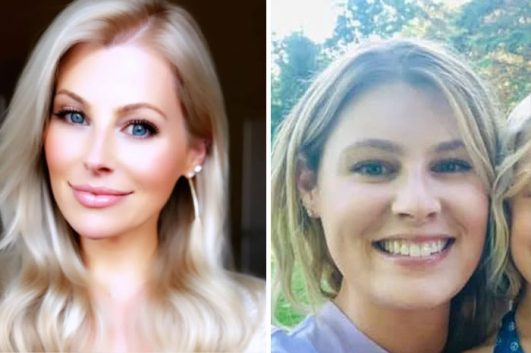
The question appears frequently in comment sections beneath heavily edited photographs. Viewers encounter images in which facial features, body proportions, and background elements have been altered with digital tools. The subjects of these photographs already possess conventional markers of attractiveness. The additional layers of editing still appear. Observers respond with a mixture of curiosity and commentary.
Digital editing software offers precise control over skin texture. It offers control over waistlines. It offers control over the size and shape of lips, eyes, and other facial features. The same tools can straighten or curve architectural lines in the background so that they follow the outline of a body. The resulting images circulate widely. Each new example adds to a growing collection of photographs in which the boundary between the original scene and the finished file becomes difficult to locate.
The practice continues across a broad range of accounts. Some accounts belong to professional influencers. Some belong to private individuals. The common element is the application of editing techniques that change the visual information presented to the viewer. The discussion that follows these posts often centers on the reasons behind the choice to edit. The conversation remains active because new examples appear regularly.
2 This Makeup Artist’s Before And Afters
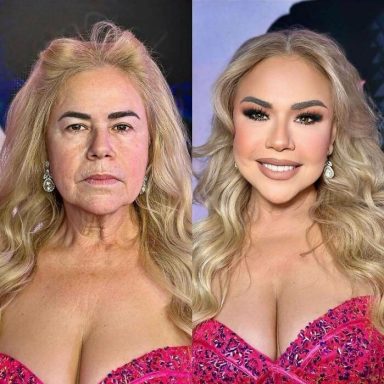
Makeup artists document their work through sequential photographs. One frame shows the face before any product is applied. The next frame shows the same face after foundation, contour, eyeshadow, and lipstick have been placed. The difference between the two images can be substantial. Skin appears more even. Features appear more defined. The overall presentation shifts toward a polished result.
These sequences serve a practical purpose within the beauty industry. They demonstrate the range of change that skilled application can produce. Clients and followers study the steps. They note the products used. They observe the techniques that create the final look. The photographs function as both advertisement and instruction.
In some cases the published pairs of images also incorporate digital editing after the makeup has been applied. The skin is further smoothed. The lighting is adjusted. The colors are intensified. The combination of physical makeup and digital enhancement creates a finished image that exists at a greater distance from the unaltered face. Viewers who encounter these posts often examine both stages closely. They attempt to separate the contribution of the makeup from the contribution of the software.
The makeup artist’s portfolio therefore becomes a record of layered transformation. The first layer is the application of product on skin. The second layer is the adjustment of the photograph itself. Each layer adds distance from the original appearance. The public presentation of these stages keeps the process visible while still delivering a highly refined end result.
3 Op Posted This To Show How Much Better She Looks After “Taking Care Of Herself”
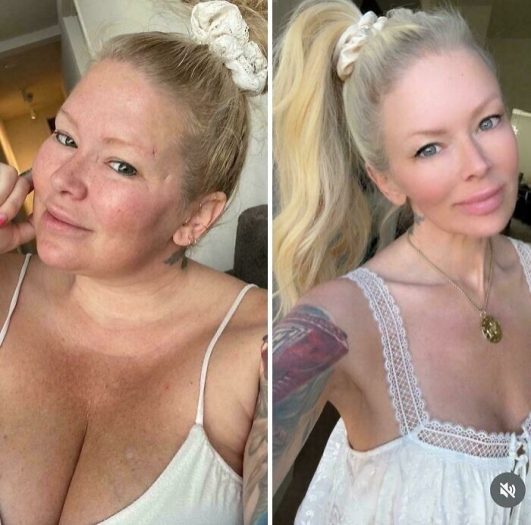
A user shares a pair of photographs with a caption that attributes the visible change to improved self-care. The earlier image shows one version of the person. The later image shows a version with smoother skin, different lighting, altered proportions, or modified facial features. The accompanying text frames the difference as the outcome of healthy habits, rest, or personal effort.
Viewers respond to the claim and to the images. Some accept the stated explanation. Others examine the photographs for signs of digital intervention. The discussion that develops often focuses on the degree to which editing tools have contributed to the presented improvement. The original poster’s narrative of self-care remains attached to the post. The visual evidence is subjected to close inspection by the audience.
The pattern repeats across many accounts. A photograph from an earlier period is placed beside a current photograph. The caption supplies a positive interpretation of the change. The community of viewers supplies its own analysis of how the change was achieved. The exchange keeps the topic of authenticity and presentation active within the feed.
Editing tools continue to evolve. New filters appear. New adjustment options become available. The range of possible alterations expands. Users adopt the tools at different levels of intensity. Some apply subtle changes. Others apply changes that reshape the entire figure or face. The most pronounced examples become the ones that circulate farthest and generate the most commentary.
Background elements frequently reveal the presence of editing. A doorframe that bends in parallel with a hip line supplies one common indicator. A wall that curves to match a waist supplies another. Objects that appear distorted in only one part of the frame draw the eye. Once these inconsistencies are noticed, the viewer’s attention shifts from the subject to the method of construction.
Facial features present their own set of indicators. Lips that exceed typical anatomical proportions. Eyes that appear larger or more widely spaced than the rest of the face would suggest. Skin that lacks any visible texture under strong light. Each of these traits can be produced by software. When several appear together, the cumulative effect registers as artificial to many observers.
The social environment of the platforms encourages the circulation of such images. Positive reactions in the form of likes and supportive comments reward the polished presentation. The same environment also produces critical commentary when the editing becomes obvious. Both forms of response keep the images in circulation and sustain the broader conversation about digital alteration.
People who post edited photographs operate within this dual system of reward and scrutiny. The finished image is offered as a preferred version of the self or of a moment. The audience receives the image and evaluates it according to individual standards of realism and aesthetics. The gap between the two perspectives generates ongoing discussion.
The list of examples continues to grow because the tools remain widely available and the incentive to present an enhanced appearance remains strong. Each new post that displays pronounced editing joins the existing collection. Viewers who have already encountered many such images still encounter fresh variations. The sense that one has seen every possible version is regularly interrupted by a new configuration of altered proportions or smoothed surfaces.
Doorframes, furniture edges, and tiled walls serve as reliable reference points. When these straight lines begin to follow the contour of a body, the presence of liquify or warp tools becomes evident. The background ceases to function as a neutral setting and becomes evidence of intervention. Observers who notice the distortion often share cropped details so that others can see the same inconsistency.
Lip fillers and makeup can produce fuller mouths through physical means. Digital tools can extend that fullness further or create it entirely. The resulting shape sometimes exceeds the range of natural variation. When the lips appear to operate independently of the surrounding facial structure, the image draws comments that focus on the anatomical impossibility of the presented form.
The same principle applies to waistlines, shoulder widths, and thigh gaps. Software permits selective narrowing or widening of any region. The finished photograph displays proportions that may not correspond to the body that stood in front of the camera. The discrepancy becomes the subject of discussion once the image reaches a wide audience.
Makeup artists who publish before-and-after sequences occupy a specific niche within this landscape. Their work begins with a real face and real product. The transformation is achieved through skill and technique. When digital smoothing or reshaping is added afterward, the sequence documents two distinct processes. The audience is invited to appreciate the makeup while also registering the additional digital layer.
Captions that attribute dramatic visual change solely to self-care, diet, or rest invite a particular form of scrutiny. Viewers compare the stated cause with the visible effect. When the effect includes signs of digital alteration, the conversation turns toward the accuracy of the accompanying narrative. The original poster’s framing remains part of the post. The community’s analysis becomes part of the post’s reception.
The overall phenomenon reflects the current capabilities of consumer editing software and the social dynamics of image-based platforms. Users possess the means to alter photographs extensively. Platforms supply an audience that responds with both admiration and critique. The cycle of posting, reacting, and discussing continues without a clear endpoint.
New examples appear daily. Some are subtle. Some are extreme. The extreme examples dominate the conversation because they make the editing process most visible. Bent architectural lines, exaggerated facial features, and anatomically improbable proportions serve as clear markers. Once recognized, these markers train the eye to look for similar signs in other images.
The collection of such photographs functions as an informal catalogue of editing practices. It records the techniques that are currently popular and the degree to which users are willing to reshape their own appearance. It also records the audience’s evolving ability to detect those techniques. The interaction between the two keeps the topic active.
The invitation to upvote the examples that show the greatest effort acknowledges the skill involved in producing a seamless edit. Some users invest considerable time in blending alterations so that the final image appears coherent. Others apply changes more openly. Both approaches contribute to the visible range of edited content.
Scrolling through the list offers a concentrated view of the present state of digital self-presentation. The images document the choices individuals make when they decide how they wish to appear online. The commentary that accompanies the images documents the collective response to those choices. Together they form a continuous public examination of the relationship between the camera, the software, and the final posted file.