Natalie Suleman’s Octuplets Attain the Age of Sixteen – The Present Form of Their Daily Lives
In 2008 she reached a decision to employ the entire remaining supply of frozen embryos within one transfer procedure. Standard medical recommendations ordinarily limit the number of embryos placed in a single cycle. Her physician transferred twelve embryos. That selection later became the subject of formal review. Eight of the transferred embryos progressed into viable fetuses. The resulting pregnancy formed the central element of her subsequent public identity.

Suleman delivered the octuplets on January 26, 2009. All eight infants survived the premature birth. The delivery generated immediate worldwide notice. Media outlets applied the designation “Octomom,” a label that remained attached to her for an extended period. Public responses displayed a range of expressions.
Observers registered astonishment at the uncommon medical result. Separate commentary addressed her personal choices, the state of household finances, and the ethical dimensions of the embryo transfer. Suleman encountered continuous examination, evaluative commentary, and a degree of media intensity experienced by few individuals. Coverage frequently presented abbreviated accounts of her circumstances rather than a complete portrait of a parent managing an uncommon and intricate set of responsibilities.
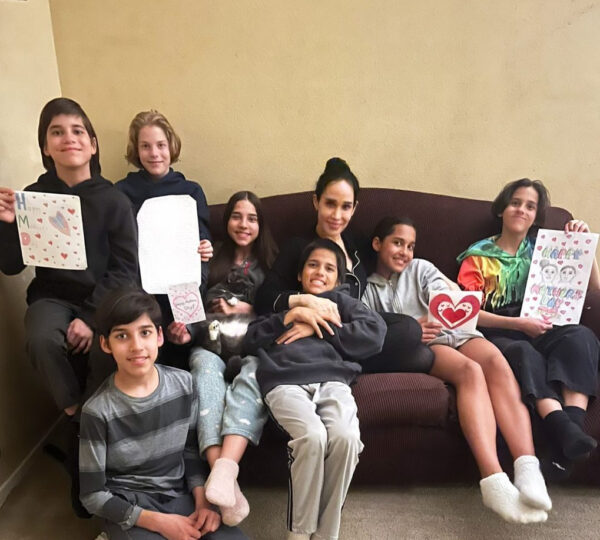
Provision for fourteen children created substantial financial demands. Public perceptions of substantial monetary gain from the attention proved inaccurate. Suleman obtained no major financial settlement and possessed no consistent source of income during that period. In order to generate support for the household she accepted a variety of roles outside conventional employment. These included modeling assignments, work within adult entertainment, participation in celebrity boxing events, media appearances, and efforts to derive income from the public association with the name “Octomom.”
The selections arose from practical requirements. Financial obligations continued to increase. In 2012 she submitted a bankruptcy filing that listed approximately one million dollars in outstanding debt.

The financial difficulties produced legal proceedings in 2014. She received charges related to welfare fraud arising from incomplete reporting of certain earnings during a period of public assistance. She entered a no-contest plea to a misdemeanor count, fulfilled community service requirements, returned the relevant funds, and completed a term of probation. The legal episode introduced an additional period of public examination into the existing record of her experiences.
By 2013 Suleman elected to withdraw almost completely from media visibility. She directed attention toward the establishment of a more secluded and steady setting for her children. Across more than ten subsequent years public information concerning her activities remained limited to infrequent social media entries. The central focus rested on the upbringing of the children through consistent routines, protected privacy, and the greatest achievable measure of ordinary daily patterns.
In 2025 the octuplets marked their sixteenth birthday. Suleman recognized the occasion with a message that conveyed profound gratitude and affection toward each of them. As the children advanced in age she initiated a gradual return to public communication conducted according to her own preferences. She has described the experience of raising a son, Aidan, who lives with profound autism, along with the particular demands and sources of fulfillment that accompany that responsibility. She has also examined earlier decisions, among them the desire that she had initiated legal proceedings against the fertility physician responsible for the transfer of the large number of embryos.
Her older children have begun to present their individual recollections of the household experiences. These accounts include memories of the occasion on which they learned of the impending arrival of eight additional siblings. Descriptions of Suleman’s current approach to parenting characterize it as organized and firmly based. The household maintains clear regulations governing digital devices, social media participation, and interpersonal boundaries. She places emphasis on qualities that include humility, compassion, concentrated effort, and motivation that originates internally. Her expressed hope is that the children will develop into adults who value personal connection, accountable conduct, and service to others.

Natalie Suleman’s biography constitutes a multifaceted and thoroughly human record. The uncommon medical occurrence that first placed her in worldwide view forms one segment of a broader progression defined by endurance, personal sacrifice, successive difficulties, and determined affection for her children. Public accounts frequently concentrated on contested elements or striking features of her circumstances. The central substance of the narrative remains that of a mother managing extensive responsibilities while guiding a large family. Her experiences continue to generate examination of ethical questions, media practices, reproductive decisions, and collective evaluation. At the foundation the account presents sustained devotion, persistent effort, and the continuing strength found within family bonds.
The medical sequence that began with successive IVF treatments under Dr. Michael Kamrava, continued through the transfer of twelve embryos in 2008, and culminated in the delivery of eight surviving infants on January 26, 2009, established the framework for the subsequent years. The expansion of the household from six children to fourteen required continuous adaptation of daily routines, financial arrangements, and living arrangements. Each of the fourteen children—Elijah, Amerah, Joshua, Aidan, Calyssa, Caleb, and the eight younger siblings—received individual attention within the structure of the home. The period of intense media coverage that followed the birth produced an environment of constant observation. Suleman’s responses to that environment included the acceptance of varied forms of employment intended to meet household needs. The 2012 bankruptcy filing recorded the cumulative financial strain. The 2014 legal resolution addressed the specific charges through the established process of plea, service, repayment, and probation. The decision in 2013 to reduce public visibility allowed the establishment of quieter patterns of family life. The acknowledgment of the octuplets’ sixteenth birthday in 2025 marked a point of reflection on the intervening years. The gradual resumption of public communication has included discussion of Aidan’s needs and of earlier medical decisions. The perspectives offered by the older children add further detail to the collective record. Throughout the entire progression the consistent element remains the commitment to the care and development of the fourteen children within a household governed by clear expectations and sustained parental presence.