Nima and Dawa: How Two Conjoined Twins Are Thriving Years After Their Separation
Physicians performed a complex and demanding procedure that successfully separated the conjoined twin sisters Nima and Dawa.
The operation addressed the physical connection between their bodies while preserving the close relationship they shared as sisters bonded from birth.
At the time of their birth, medical professionals expressed uncertainty about the length of life the sisters might experience, given the complexity of their shared anatomy.
The procedure took place when the girls reached 14 months old, an age carefully chosen by the medical team to balance developmental readiness against the risks of continued delay.
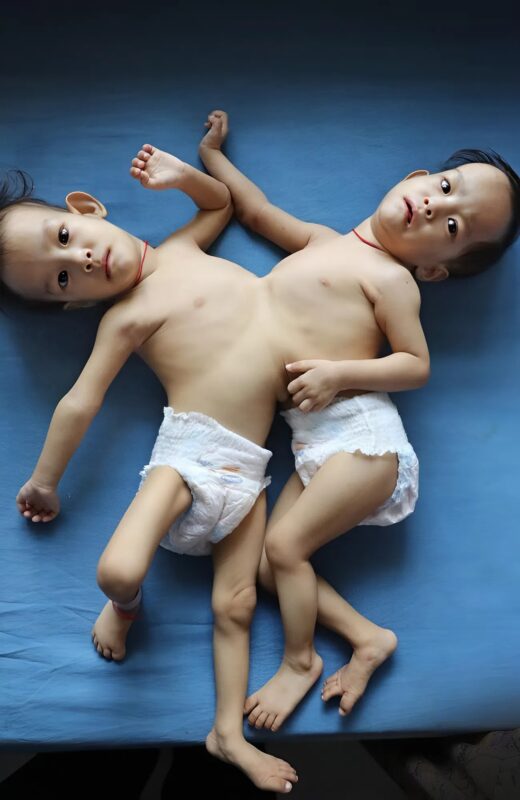
The family traveled from Bhutan to Melbourne to access specialized care available at the Royal Children’s Hospital, a journey spanning considerable distance for a family seeking answers and options unavailable closer to home.
Conjoined twins represent children whose bodies are united in ways that sometimes prevent complete separation, particularly when limbs or organs are shared between them.
The medical team carried out a procedure lasting several hours, requiring careful coordination among numerous specialists working in tandem.
Following the operation, Nima and Dawa existed as separated individuals for the first time in their young lives.
The sisters have since reached the age of seven, marking years of growth and development since that pivotal surgical intervention.
Early Life and the Path to Separation
When Nima and Dawa arrived in the world, their physical connection presented significant medical considerations that required careful evaluation from the very beginning.
Physicians evaluated the situation with considerable care before recommending intervention, weighing every available option against the specific nature of the girls’ shared anatomy.
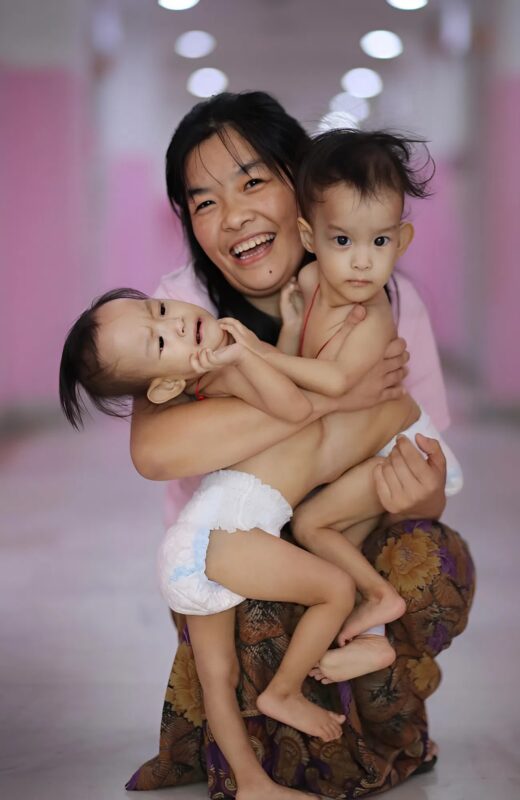
The decision to proceed with separation involved detailed planning and coordination among specialists across multiple disciplines, each contributing expertise toward a shared goal.
The family made the journey to Australia specifically to access the necessary expertise and facilities that Bhutan’s medical infrastructure could not provide at that time.
The procedure required precision to address the shared areas of their bodies, demanding surgical skill refined through years of specialized training.
Medical professionals worked steadily to ensure the best possible outcome for both girls, understanding the stakes involved in separating two lives joined since conception.
Recovery followed the operation under close observation, with medical staff monitoring every stage of the girls’ healing process closely.
The sisters adapted to their new physical independence gradually over time, learning to move and interact with the world in ways neither had previously experienced alone.
Support from their family contributed meaningfully to their progress during this critical period of adjustment and healing.
Current Life and Development
At seven years old, Nima and Dawa participate actively in school activities alongside their peers, engaging fully in the rhythms of classroom life.
They follow the curriculum and interact with classmates in age-appropriate ways, showing the kind of social development expected of children their age.
Their mother observes steady growth in both physical and personal development, noting milestones reached and skills acquired along the way.
The girls show increasing ability to manage tasks on their own, a marker of the independence the separation procedure made possible.
Playtime includes activities that reflect their individual interests, each sister gravitating toward pursuits that suit her particular personality.
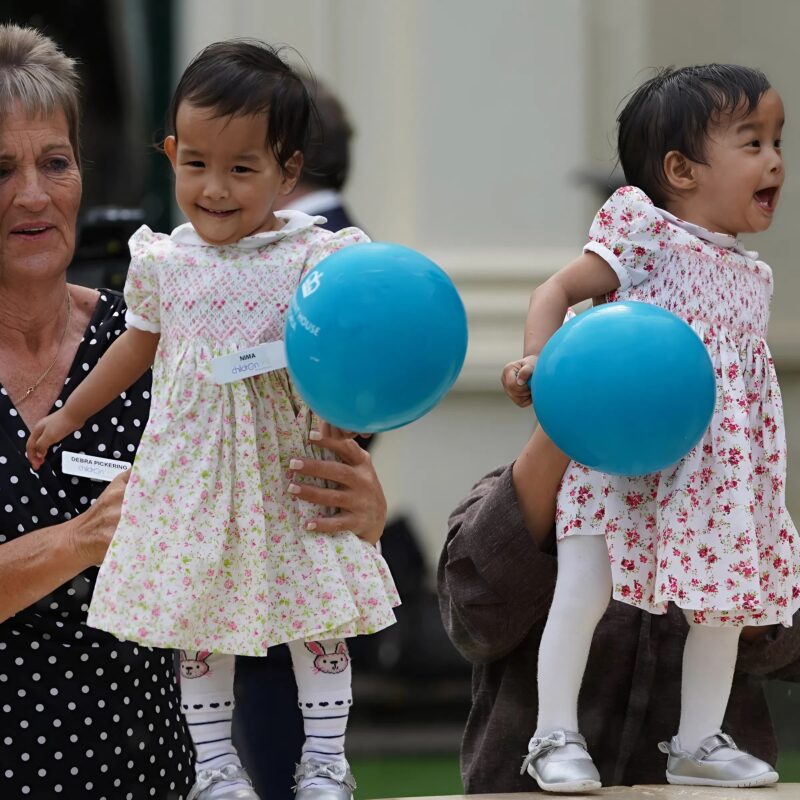
Learning experiences vary according to their preferences and strengths, allowing each girl to develop in directions that feel natural to her.
Exploration of their surroundings brings new discoveries each day, as the girls continue encountering the world with curiosity typical of their age.
Laughter remains a frequent part of their interactions, filling their days with the lightness common to childhood.
These aspects of their lives indicate positive adjustment following the separation, painting a picture of two children thriving in the years since surgery.
Family Observations and Daily Life
Bhumchu Zangmo, their mother, notes that her daughters are growing well, watching their progress with evident pride and relief.
She describes them as independent across many aspects of their daily routines, capable of managing tasks that once would have required constant assistance.
The family maintains a supportive environment that encourages continued development, creating conditions where the girls can flourish.
Daily life involves school, meals, and recreational activities shared among family members, weaving the girls into the everyday fabric of household routine.
The sisters contribute to household tasks in ways suitable for their age, taking on small responsibilities that build a sense of contribution and belonging.
Their progress brings satisfaction to their mother and other relatives, who have watched the family’s journey unfold from uncertainty toward stability.
Ongoing medical follow-up supports their health maintenance, ensuring that any concerns arising after the surgery receive prompt attention.
The family remains attentive to any needs that arise, staying engaged with the girls’ evolving requirements as they grow older.
This attention helps sustain the positive trajectory observed since the procedure, reinforcing gains made in the years following surgery.
A Meaningful Birthday Celebration
The sisters chose a distinctive way to mark their birthday this particular year, opting for something quieter and more purposeful than typical celebrations.
They visited a nearby temple together as part of their chosen observance.
A gathering with friends and cake did not take place this year, the girls choosing instead a different kind of commemoration.
At the temple, they participated in feeding elderly individuals present there, offering care to members of their community.
This activity reflected values of care and community involvement that the family has clearly nurtured in the girls from an early age.
The choice demonstrated their growing awareness of others around them, a maturity beyond what many children their age display.
Family members accompanied them during the visit, sharing in the experience together as a unit.
The experience created memories centered on service and connection rather than on gifts or festivities.
Such celebrations highlight the sisters’ development beyond physical health alone, extending into emotional and social maturity as well.
They also show engagement with cultural and social practices rooted in their community and its traditions.
Looking Toward the Future
Nima and Dawa continue to advance in their education and personal growth with each passing year.
Their mother expresses optimism about their ongoing development, hopeful about the paths still ahead for both girls.
The medical intervention performed years earlier enabled the independence they now enjoy, a foundation laid through skilled surgical work and careful aftercare.
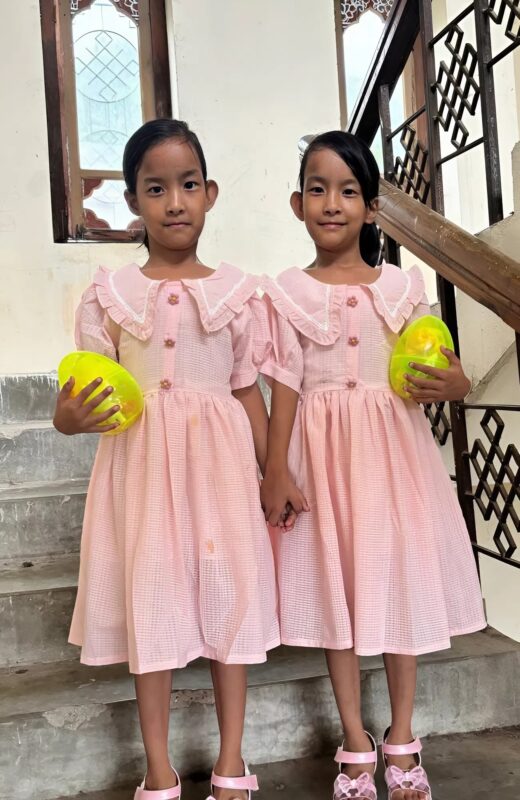
Continued support from family and healthcare providers contributes meaningfully to their overall well-being as they grow.
The sisters explore new interests and form connections with those around them, expanding their world year by year.
Their story illustrates the possibilities that can follow complex medical procedures when carried out with skill and care by dedicated specialists.
Community involvement, as seen in their birthday activity, adds another dimension to their lives beyond the purely medical narrative.
The family appreciates the progress achieved since the separation, recognizing how far the girls have come since that critical surgery.
Future years hold potential for further achievements and experiences as Nima and Dawa continue growing into their own individual identities.
The journey from birth through separation to present independence represents a path defined by resilience and adaptation on the part of the entire family.
Medical teams, family dedication, and the girls’ own responses have all played meaningful roles in shaping this development.
Ongoing attention to health and education supports continued positive outcomes moving forward.
The sisters remain active participants in their community and family life, embedded fully in the world around them.
Their laughter and individual ways of engaging with the world reflect healthy childhood development consistent with their age and stage.
The story of Nima and Dawa continues to unfold with each passing year, adding new chapters to an already remarkable journey.
Their progress offers encouragement to other families facing similar medical situations involving conjoined twins.
Families and medical professionals alike can draw insight from examples of successful interventions and the subsequent growth that follows.
The sisters’ choice to celebrate through community service demonstrates emerging values of compassion and contribution taking root in their young lives.
Such qualities enrich their own lives and the lives of people around them.
The overall narrative moves forward with attention to health, education, and social connections as central threads.
Continued support structures help maintain the stability achieved after the procedure, ensuring the girls remain on a positive path.
The future holds space for further learning, play, and exploration as the sisters continue to grow and change.
Their story remains one of medical achievement combined with family commitment and personal development woven together.
The presence of laughter and independent activity in their daily lives indicates successful adaptation to life following separation.
The journey that began with uncertainty at birth has led to a present filled with activity and connection for both girls.
Ongoing observation and care support the maintenance of this positive state as the years continue to pass.
The sisters continue to develop in ways that reflect both their individual personalities and their shared history as twins.
The bond between them persists even after physical separation, a connection that surgery could not sever.
This connection, along with steady family support, contributes to their overall well-being in meaningful ways.
The story of Nima and Dawa thus stands as an example of progress following a significant medical intervention undertaken years ago.
Their current stage of life includes school participation, personal growth, and community engagement, each element reinforcing the others.
These elements together create a picture of children moving forward with health and opportunity available to them.
The family’s observations provide insight into the daily realities and joys experienced by the sisters as they navigate childhood.
Continued attention to their development supports the positive path established in recent years of growth.
The narrative concludes with recognition of the resilience shown by Nima and Dawa and those who have cared for them throughout their journey.
Their story offers a perspective on the possibilities that can emerge from complex beginnings shaped by medical uncertainty.
Medical science, family dedication, and individual responses have combined to create the present circumstances the girls now enjoy.
The future remains open for further achievements and meaningful experiences as Nima and Dawa continue their journey.
The sisters continue to live their lives with the independence and engagement that characterize their current stage of development.
This stage builds upon the foundation established through the separation procedure and the subsequent care that followed it.
The overall experience highlights the value of specialized medical intervention when applied with expertise and compassion by dedicated teams.
Families facing similar situations may find elements of hope in the progress observed in Nima and Dawa’s story.
Their journey from conjoined birth through successful separation to independent childhood represents a path supported by multiple forms of care and commitment from many people.
The story moves forward with attention to the continued well-being of the sisters and their family as a unit.
Ongoing developments in their lives will continue to unfold in the years ahead, adding new milestones to their shared history.
The presence of laughter, learning, and exploration remains central to their daily experience as growing children.
These elements reflect the successful outcome of the medical procedure performed years earlier in Melbourne.
The narrative of Nima and Dawa thus stands complete in its current chapter while remaining open to future possibilities yet to unfold.
Their mother’s observations of independence and growth provide a positive note on which to consider their present and future.
The community involvement shown in their birthday celebration adds a layer of social connection to their broader personal development.
Together, these aspects create a comprehensive view of children who have navigated significant medical challenges and emerged with health and opportunity intact.
The story concludes with appreciation for the medical teams, family members, and the sisters themselves, all of whom have contributed to this outcome.
Continued support and attention will help sustain the positive trajectory established in recent years of steady progress.
The journey of Nima and Dawa remains an example of what can be achieved through dedicated medical care combined with family commitment.
Their current life reflects the benefits of the separation procedure and the ongoing efforts that have followed in its wake.
The future holds potential for further growth and meaningful experiences as they continue developing into their own distinct selves.
The overall narrative offers a perspective on resilience, medical achievement, and the value of attentive care throughout an extended process.
The story of these sisters thus provides encouragement and information for those interested in similar medical journeys involving conjoined twins.
Their progress stands as a testament to the possibilities that exist when complex procedures are undertaken with skill and followed by sustained, attentive support.
The presence of laughter and independent activity in their lives today reflects the successful navigation of early challenges few families ever face.
This reflection brings the narrative to its current point while leaving space for continued development in the years still to come.
The journey of Nima and Dawa continues with attention to health, education, and personal growth in equal measure.
Their story remains one of progress and possibility, unfolding steadily with each passing year.