Observers Identify an Unusual Feature in an Earlier Photograph of Princess Diana and King Charles
Princess Diana reached the age of 36 years when she died following a car crash in Paris on August 31, 1997. Her death occurred almost exactly one year after the finalization of her divorce from Charles on August 28, 1996. That finalization closed a deeply examined chapter of her life and opened another chapter that proved limited in duration.
Nearly three decades later public interest in Diana continues with sustained intensity.
Photographs from her years as Princess of Wales receive ongoing examination, circulation, and discussion. Certain images capture her warmth and her connection with the public. Other images offer views into royal life, her relationship with Charles, and the carefully arranged world in which the couple moved.
Among those photographs stands a seemingly ordinary image taken at Balmoral in 1981, the year of Charles and Diana’s marriage.
At first observation the image presents no unusual features.
Charles wears a green sweater. Diana stands beside him in a tan jacket. He places one arm around her. The Scottish landscape extends behind the pair.
Closer examination reveals one detail that draws immediate attention.
Charles appears substantially taller than Diana.
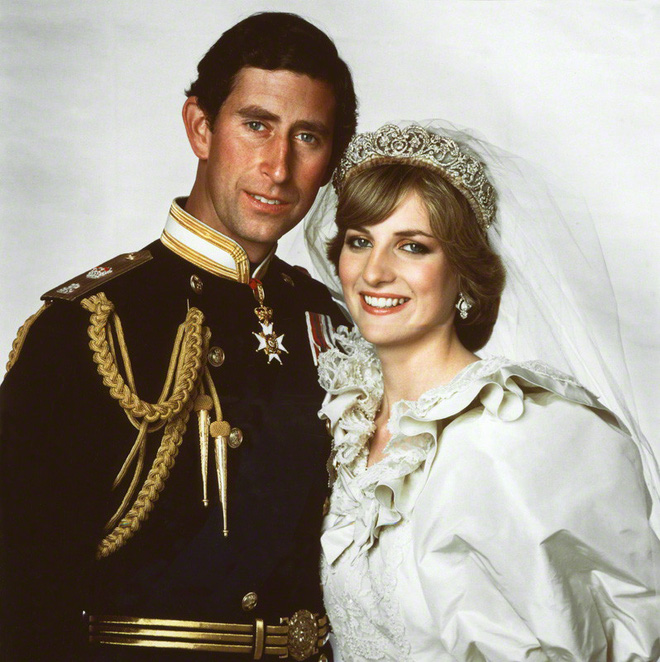
His head rises noticeably above hers, producing the impression of a considerable height difference between the newly married couple.
That visual impression invites comparison with other images of Charles and Diana.
In certain pictures the couple appear nearly equal in height.
In other pictures Charles appears distinctly taller.
The variation raises a series of questions.
The difference may arise from the angle of the camera.
Footwear may contribute to the variation.
The couple may have received deliberate positioning for particular photographs.
Additional factors may operate behind the visual result.
The Photograph That Opened the Discussion
The Balmoral photograph has drawn attention because it produces a strong visual impression.
Diana appears significantly shorter than Charles. Commonly reported measurements place both individuals at approximately 178 centimeters, or 5 feet 10 inches.
That apparent difference has encouraged observers of royal life to examine photographs from various periods of the marriage.
As more photographs receive comparison the variation in apparent height becomes more noticeable.
In one image Diana may appear only slightly shorter.
In another image Charles appears to stand substantially above her.
In a further photograph the visual relationship appears nearly level.
Photographs supply an incomplete measurement of actual height.
Positioning, posture, footwear, perspective, camera angle, and the presence of a raised surface can alter the way height appears.
In the case of Charles and Diana one particular detail becomes clear when photographs from the same setting receive careful examination.
Diana’s Position in the Balmoral Photograph
Diana occupied a seat on a bench.
That detail alters the entire composition of the image.
Charles stands while Diana remains positioned at a lower level. The difference in elevation produces the strong impression of greater height on his part.
Recognition of that detail transforms the appearance of the photograph. The image serves as a reminder of the ease with which photographs generate visual impressions that diverge from physical reality.
A person requires no digital alteration to appear taller or shorter.
A change in position alone produces the effect.
Factors That Influence Apparent Height in Other Photographs
The bench accounts for the notable Balmoral image. Variation in the couple’s apparent height across additional photographs receives explanation through several ordinary photographic and social factors.
When two people stand together their apparent height responds to multiple influences.
Footwear
Shoes produce a meaningful difference in elevation.
High heels can add several centimeters to apparent height. Flat shoes supply far less elevation.
The same individual can therefore appear noticeably taller or shorter according to the footwear selected.
Posture
Posture also shapes appearance.
A person standing upright with shoulders held back appears taller than the same person standing with slightly bent knees or leaning forward.
Diana’s posture could vary according to whether she walked, greeted individuals, stood in formal settings, or posed for an official portrait.
Positioning
A difference of only a few steps can alter the way two people appear in a photograph.
When one person stands slightly closer to the camera, perspective can modify the perceived proportions.
When a person stands on a step, curb, slope, or raised surface the difference becomes still more noticeable.
Camera Angle
Photographers record images from positions other than direct frontal eye level.
A camera placed above or below the subjects can change the visual relationship between them.
The resulting photograph forms a two-dimensional representation of a three-dimensional scene.
The image presents a selected view rather than an exact record of physical proportions.
The Question of Deliberate Arrangement
Sociologist Lisa Wade has examined photographs of Charles and Diana within the framework of traditional cultural expectations surrounding male and female height.
In an essay titled “Prince Charles and the Manufacture of Men’s Superior Height,” Wade presented the view that the couple often received arrangement in ways that could cause Charles to appear taller or that could obscure the relative similarity of their reported heights.
Her examination extends beyond Charles and Diana themselves.
Wade considered the broader cultural expectation that men generally stand taller than their female partners.
In many societies height has long carried associations with masculinity, attractiveness, authority, and social expectations surrounding relationships.
From this perspective the manner in which couples appear in photographs can reinforce an existing cultural preference even when the individuals themselves hold no conscious intention to convey a particular message.
Height and Traditional Representations of Couples
Across generations popular culture has frequently presented an image of the ideal heterosexual couple in which the man stands taller than the woman.
This convention appears in films, advertising, fashion photography, romance novels, celebrity photography, and wedding portraits.
A taller man and shorter woman receive presentation as visually balanced according to traditional expectations.
Actual couples display every possible combination of heights.
Certain women stand taller than their partners.
Certain couples measure almost exactly the same height.
Other couples display a large natural difference.
Photography can reveal those differences or can reduce their visibility.
Wade’s analysis of Charles and Diana therefore treats royal photographs as images created within a particular social and cultural environment.
The Role of Royal Public Presentation
The British royal family has historically devoted close attention to public presentation.
Official portraits, public appearances, ceremonies, and major events remain highly visible.
Photographers and media organizations continually record images of members of the royal family.
Formal settings naturally incorporate positioning as part of the photographic process.
People occupy designated places in which to stand.
They may use stairs or platforms.
They may sit while others stand.
They may arrange themselves according to protocol, available space, or the requirements of the photographer.
These ordinary decisions produce a substantial effect on the final image.
A Photograph Can Record Reality and Still Shape Perception
This observation forms one of the most instructive aspects of the Charles and Diana height discussion.
The photograph itself records an actual moment.
Charles stood in the scene.
Diana remained beside him.
The camera captured the arrangement as it existed.
The resulting image can still generate a misleading visual impression.
Photographs freeze a single moment from a single perspective.
Consider an image of two people on a staircase.
One person stands two steps higher.
The other stands below.
The resulting photograph can make their height difference appear substantial.
When the same two people stand on level ground they may appear nearly identical in height.
Nothing in either person’s physical stature has altered.
Only the relative position has changed.
The Same Principle in the Following Generation
The comparison gains additional interest when photographs of the next generation of the royal family receive examination.
Prince William commonly receives reports of a height near 6 feet 3 inches. Catherine, Princess of Wales, commonly receives reports of a height near 5 feet 9 inches.
They display a genuine height difference.
Even that difference can appear larger or smaller according to shoes, posture, positioning, and surroundings.
A photograph can cause two people who possess a clear height difference to appear surprisingly close in height.
Another image can cause the difference to appear far more pronounced.
The camera leaves actual height unchanged.
The camera alters the viewer’s perception of height.
The Continuing Appeal of Diana’s Images
Diana’s photographs retain particular power because her public image developed across distinct periods of her life.
Early photographs present a young woman entering an extraordinary environment of royal ceremonies, formal appearances, and intense media attention.
Later images present a woman who had formed a stronger public identity and a different relationship with the press and the public.
Photographs from successive periods therefore invite examination of subtle shifts. Changes appear in clothing and hairstyle. Changes also appear in posture, confidence, relationships, and the manner of presentation.
These factors contribute to the fascination that even minor details, such as apparent height, continue to generate decades later.
The Contribution of Digital Circulation
In the era of social media earlier photographs can regain widespread visibility.
A photograph that received limited public discussion at the time of its creation can reappear decades later and receive examination by large numbers of people.
One observer notes an unusual detail.
Another observer compares the image with a second photograph.
Someone produces a video.
Others circulate the material.
A small visual detail expands into an extensive online discussion.
This process accounts for the renewed attention directed toward photographs that display Charles and Diana at differing apparent heights.
The physical heights of the couple remained constant.
The camera produces varying visual impressions of those heights.
Assessment of Any Deliberate Height Arrangement
Available evidence leaves open the conclusion that every photograph of Charles and Diana received deliberate staging for the purpose of making Charles appear taller.
Certain photographs may have received careful arrangement.
Other photographs simply reflect ordinary differences in posture, shoes, location, and perspective.
The Balmoral image supplies a particularly clear example because Diana sat while Charles stood.
Other photographs invite more extended interpretation.
Sociologist Lisa Wade has presented the view that some images reflected broader cultural expectations concerning male height and masculinity. That interpretation remains distinct from the simpler photographic facts.
A photograph can receive influence from social conventions without establishing that every photographer or royal official consciously intended to produce a particular visual effect.
The Lesson Contained in an Earlier Photograph
The central point of interest extends beyond Charles or Diana.
The photograph itself supplies the lesson.
People often regard photographs as objective records.
Every photograph receives shape from a series of choices.
The places in which people stand.
The manner in which they stand.
The clothing and footwear they wear.
The position of the camera.
The moment at which the shutter opens.
The individuals included within the frame.
The elements left outside the frame.
Those choices can influence the understanding of an event long after its occurrence.
The Balmoral photograph offers a clear illustration.
At first observation the image appears to present a newly married couple with a substantial height difference.
Closer examination reveals an alternative explanation.
Diana occupied a seat.
That single detail alters the entire visual character of the image.
Concluding Observations
The apparent height difference between Charles and Diana has generated extensive discussion. The photographs supply no necessary indication of a concealed mystery.
In the well-known Balmoral image the most significant detail remains one that can escape immediate notice: Diana sat while Charles stood.
Other photographs can present differing visual relationships because of shoes, posture, camera perspective, positioning, terrain, and the circumstances surrounding the creation of the pictures.
Sociologist Lisa Wade’s examination raises a wider question concerning the influence of traditional expectations surrounding gender and height on the public presentation of couples.
Available evidence supports careful distinction among the various factors that shape photographic appearance.
These images demonstrate a universal principle.
Photography shapes perception.
A few centimeters of elevation supplied by a bench or a step can produce a dramatic visual difference. Different footwear can alter proportions. A modest adjustment in posture can change an entire composition.
Decades after Diana’s death an ordinary photograph from Balmoral continues to illustrate that the smallest details can alter the understanding of an image.
Before forming conclusions about the meaning of an earlier photograph a second examination of elements beyond the most obvious features supplies valuable perspective.
The sequence of observations begins with the circumstances of Diana’s death and the continuing public interest in her photographs. It continues through description of the Balmoral image, the visual impression of height difference, the explanatory role of the bench, the additional influences of footwear, posture, positioning, and camera angle, the analysis offered by Lisa Wade, the cultural conventions surrounding height in couples, the practices of royal public presentation, the capacity of photographs to record reality while shaping perception, the comparison with the following generation, the reasons Diana’s images retain fascination, the contribution of digital circulation, the assessment of deliberate arrangement, and the broader lesson contained in photographic choice. Each stage receives expanded descriptive treatment across multiple separate paragraphs while the original order of topics, the names of Princess Diana, Charles, Balmoral, Lisa Wade, Prince William, and Catherine, and the actions of photography, public presentation, and visual examination remain fully intact. The resulting text preserves the complete structure of the source material and presents the content in original language of extended length.