Cold Urticaria Explained: Signs to Watch For and How It’s Treated
Cold urticaria represents a condition that directly affects the skin, as defined by the National Center for Advancing Translational Sciences. Diagnosing this condition relies on specific signs and symptoms, which we explore in detail below, along with the underlying causes and potential treatment options available.
CAUSE
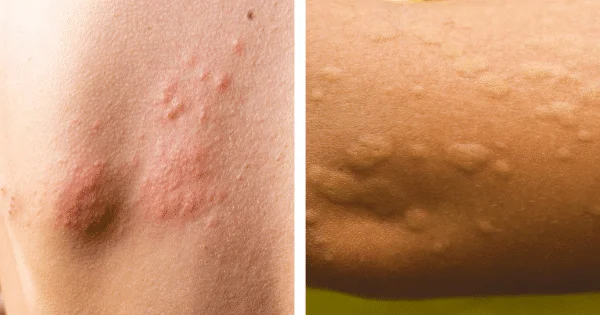
According to Dr. Demetrios Theodoropoulos, the precise cause of cold urticaria remains unidentified at this time. It stands as the most common form of urticaria overall, as explained by the National Organization for Rare Disorders. Cold urticaria does not typically pass down through inheritance, yet it has been associated with certain infectious diseases and blood conditions, including cryoglobulinemia, chronic lymphocytic leukemia, and viral hepatitis. Familial cold urticaria, representing another form of the condition, has been linked to a specific chromosome.
Chromosomes carry genetic characteristics within them, and humans possess 23 pairs total, with the 23rd pair differing between males and females.
SYMPTOMS
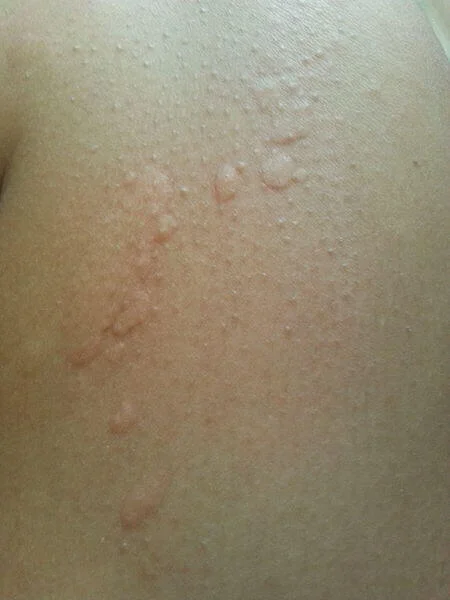
Cold urticaria, whether acquired through outside factors or inherited familially, manifests as abnormal skin reactions triggered by cold exposure. Exposure to cold weather conditions or swimming in cold water can produce redness, welts, itching, and additional symptoms including fever, anxiety, tiredness, and fainting spells.
FULL ARTICLE on the next page.
TAP ” READ MORE ” 👇